About Oil Flow Meter
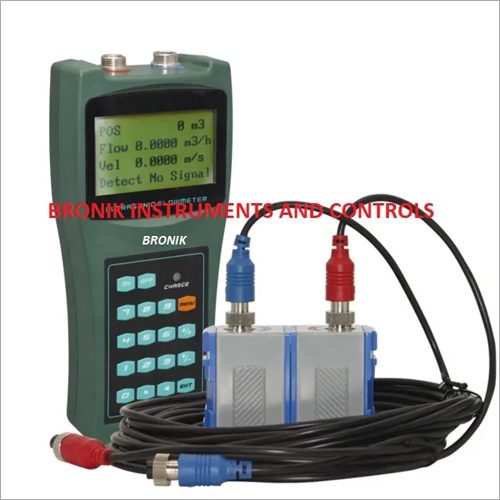
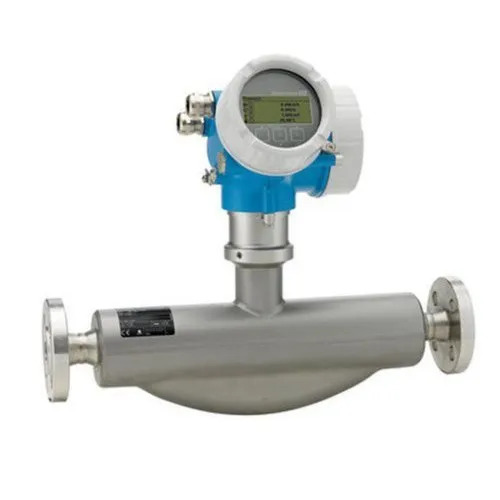
An oil flow meter is a precision instrument used to measure the flow rate of oil or other fluid substances in various industrial processes. It is equipped with sensors that detect the movement of the fluid, providing accurate and real-time measurements. Oil flow meters are crucial tools in oil and gas, automotive, manufacturing, and other industries, ensuring efficient operations and monitoring of fluid flow.
FAQs:
Q: What is an oil flow meter?
A: An oil flow meter is a precision instrument designed to measure the flow rate of oil or other fluid substances in industrial processes.
Q: How does an oil flow meter work?
A: The flow meter is equipped with sensors, such as electromagnetic, ultrasonic, or turbine-based, which detect the movement of the oil or fluid and provide flow rate measurements.
Q: What types of oil can be measured using an oil flow meter?
A: Oil flow meters can measure various types of oils, including petroleum-based oils, synthetic oils, lubricants, and hydraulic fluids.
Q: What are the advantages of using an oil flow meter?
A: The advantages of using an oil flow meter include accurate flow rate measurements, real-time monitoring, improved process efficiency, and the ability to detect anomalies or leaks.
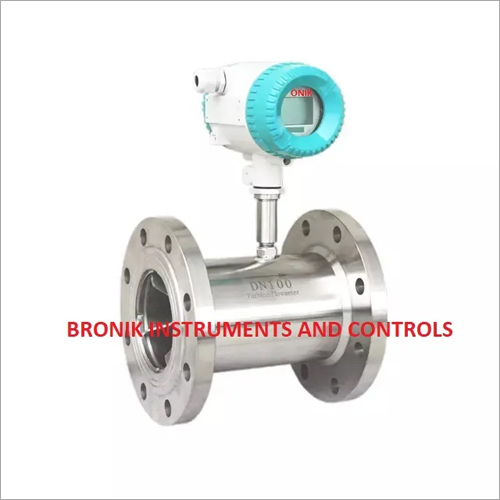
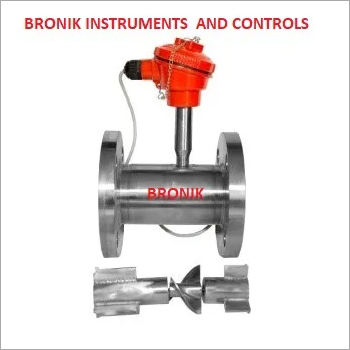
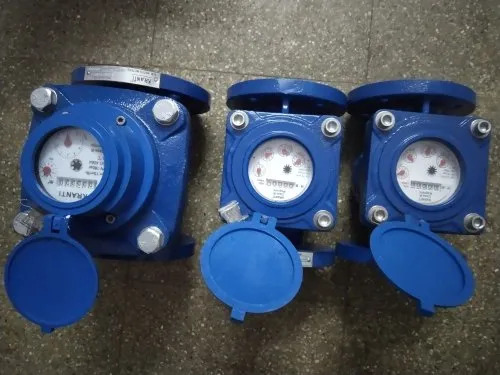
Advanced Measurement TechnologyUtilizing a turbine sensor, the Oil Flow Meter provides dependable accuracy for oil application media. Whether your process requires vertical or horizontal orientation, the equipment ensures stable readings across a wide temperature and pressure range, making it ideal for demanding industrial environments.
Robust Construction and Easy IntegrationConstructed from powder-coated aluminum and stainless steel, this flow meter ensures long-term durability and protection (IP65). The meter supports both threaded and flanged process connections, making installation straightforward. With low power consumption and a digital LCD display, integration into existing systems is seamless.
FAQ's of Oil Flow Meter:
Q: How is the Oil Flow Meter installed and what mounting options are available?
A: The Oil Flow Meter can be installed using either inline or flanged mounting, depending on your pipeline requirements. It supports both vertical and horizontal orientations for flexible placement in various setups.
Q: What type of output signals does the Oil Flow Meter provide for process monitoring?
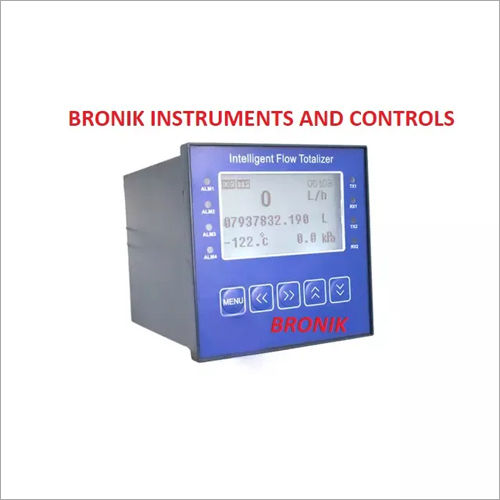
A: The device offers both pulse and analog 4-20mA output signals for integration with control systems. Additionally, an optional RS485 data interface is available for advanced connectivity and communication.
Q: What is the recommended operating voltage and power consumption for this flow meter?
A: It operates on 24 VDC, ensuring energy efficiency with low power consumption, making it suitable for continuous operation in industrial environments.
Q: When should the flow meter be recalibrated, considering it is factory calibrated?
A: The Oil Flow Meter is factory calibrated for optimal accuracy. Periodic recalibration is recommended based on usage frequency and process requirements to maintain performance, especially in critical measurement applications.
Q: Where can the Oil Flow Meter be used considering its protection and construction features?
A: With an IP65-rated, powder-coated aluminum enclosure, the meter is suitable for installation in environments with high humidity (up to 95% RH), exposure to oil, and pressures up to 25 bar. It is ideal for both indoor and semi-outdoor industrial settings.
Q: How does the meter handle varying oil viscosities and flow rates?
A: Designed for oils with viscosity up to 1000 cSt, the meter accurately measures flow rates from 0.1 to 1200 LPH. The turbine sensor technology ensures precise and repeatable readings across this broad range.
Q: What are the main benefits of using this Oil Flow Meter in your operation?
A: Users benefit from high measurement accuracy, versatile output connectivity, robust construction, low maintenance, and an easy-to-read digital LCD display. Its adaptability to different installation, pressure, and temperature conditions enhances process reliability and efficiency.










 Send Inquiry

 Send Inquiry
